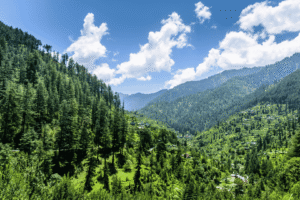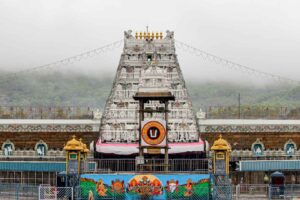
Winter changes Spiti Valley completely. The familiar roads look different under snow, small villages become quieter, and the high mountains take on a stark white and brown landscape. A Spiti Valley winter road trip is less about ticking off every attraction and more about experiencing the valley at its coldest and most peaceful.
The harsh winter also changes the way you travel here. Snowfall, frozen roads, limited services and long driving hours can affect your plans, so choosing the right route matters as much as choosing the places you want to visit. The Shimla-Kinnaur side is generally the route to consider when planning a winter journey.
For travellers who want to experience the valley without handling every road, stay and transfer on their own, Spiti Valley group tour packages can bring the major stops and travel logistics together in one planned journey with a community vibe.
Jump To
Is Spiti Valley Open in Winter?
Yes, Spiti Valley is open in winter, but the experience differs from the warmer months. The valley sees heavy snowfall, freezing temperatures and difficult road conditions, so winter trips need more planning and flexibility.
For a planned Spiti Valley Trip, the route should be decided based on current road access rather than simply following the popular summer circuit.
Best Route for a Spiti Winter Road Trip
For most winter travellers, the best route for a Spiti winter trip is through Shimla and Kinnaur.
The usual route is: Delhi – Shimla – Narkanda – Rampur – Reckong Peo – Kalpa – Nako – Tabo – Dhankar – Kaza
This side avoids Kunzum Pass and the Manali-Rohtang section, which receive heavy snow and can become inaccessible.
The best route for a Spiti winter trip depends on current weather and road clearance, so always check the latest local updates before leaving. Road access in the mountains can change quickly after snowfall.
The Shimla side also gives you the chance to gradually gain altitude instead of rushing straight into the high-altitude Kaza region.
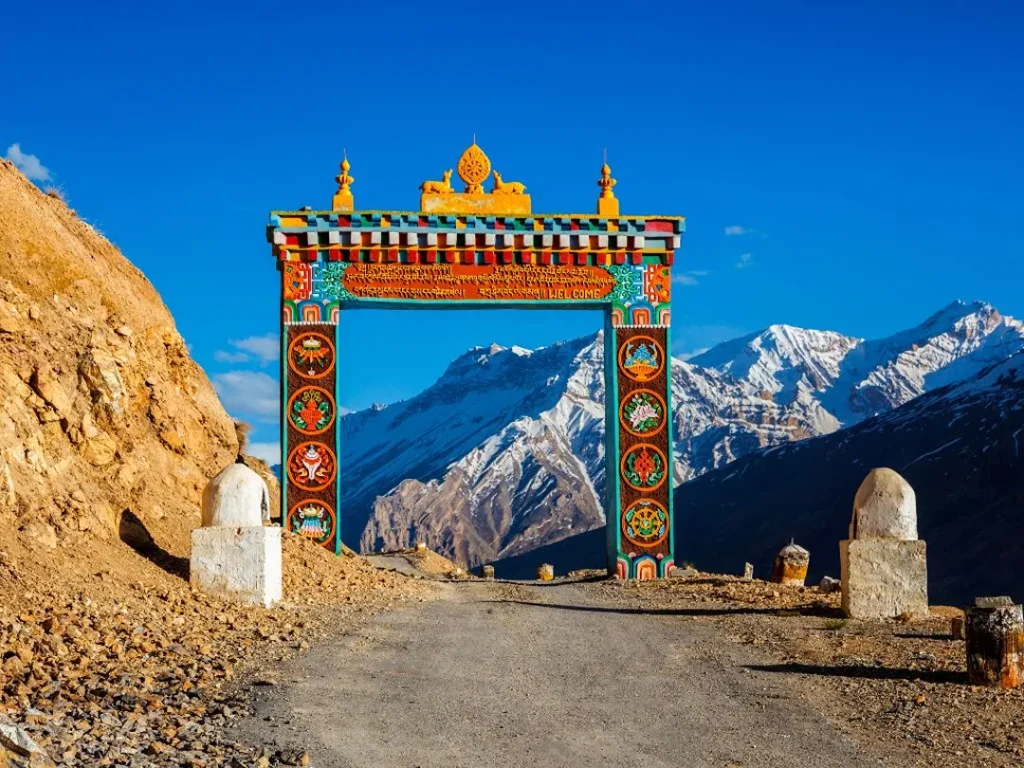
How to Reach Spiti Valley in Winter by Road
Wondering how to reach Spiti Valley in winter? The easiest option for a road trip from Delhi is to travel towards Shimla first and continue through Kinnaur.
You can drive your own car, hire a private vehicle or join a group road trip. A sturdy vehicle with good tyres is important, especially once you enter the higher sections of Kinnaur and Spiti.
You can also reach Shimla by air or train and continue by road. Himachal Tourism lists Shimla and Bhuntar as useful airports for the wider region, while Kalka is the main broad-gauge rail connection for Shimla.
For how to reach Spiti Valley in winter, the key point is simple: plan around the road that is actually open, not the route that looks shorter on a map.
Spiti Valley Road Conditions in Winter
The Spiti Valley road conditions in winter can be challenging. Snow, black ice, frozen sections, narrow roads and poor visibility can slow down your journey considerably.
Some roads may remain clear after snowfall, while others can be blocked until snow is removed. A journey that normally takes a fixed number of hours can take much longer in winter.
Do not drive at night in unfamiliar sections. Start early, keep your fuel tank reasonably full and carry warm clothes, food, water and basic emergency supplies.
The official Himachal Tourism website also advises travellers not to take vehicles onto sealed or restricted roads.
The Spiti Valley road conditions in winter are one of the main reasons you should keep extra buffer days in your plan.
Manali to Spiti Route in Winter
The Manali to Spiti route in winter is usually not the route you should build your trip around.
The road from Manali towards Kaza crosses Rohtang Pass and Kunzum Pass. Rohtang receives heavy snowfall, and Himachal Tourism notes that the pass usually closes in late November and is reopened after the snow clears, generally around May.
The Manali to spiti route in winter therefore becomes unreliable for a regular road trip. Even if Manali itself is accessible, that does not mean the entire route to Kaza is open.
This is an important difference between visiting Manali in winter and travelling all the way to Spiti.
Winter Spiti Valley Itinerary from Delhi: Road Trip
A practical winter Spiti Valley itinerary from Delhi should allow enough time for gradual travel and unexpected road delays.
Day 1: Delhi to Shimla
Start early from Delhi and drive towards Shimla. Spend the night in Shimla and rest before entering the higher Himalayan roads.
Day 2: Shimla to Kalpa
Continue towards Narkanda, Rampur and Kinnaur. Reach Kalpa by evening and enjoy views of the surrounding mountains.
Day 3: Kalpa to Nako
Start early and continue towards Nako. The landscape becomes more barren as you move deeper into the cold desert region.
Day 4: Nako to Tabo
Drive towards Tabo and visit the famous Tabo Monastery if road and weather conditions allow. Keep the evening relaxed.
Day 5: Tabo to Kaza
Continue through Dhankar and the Spiti Valley towards Kaza. Once in Kaza, spend time resting and adjusting to the altitude.
Day 6: Kaza Local Sightseeing
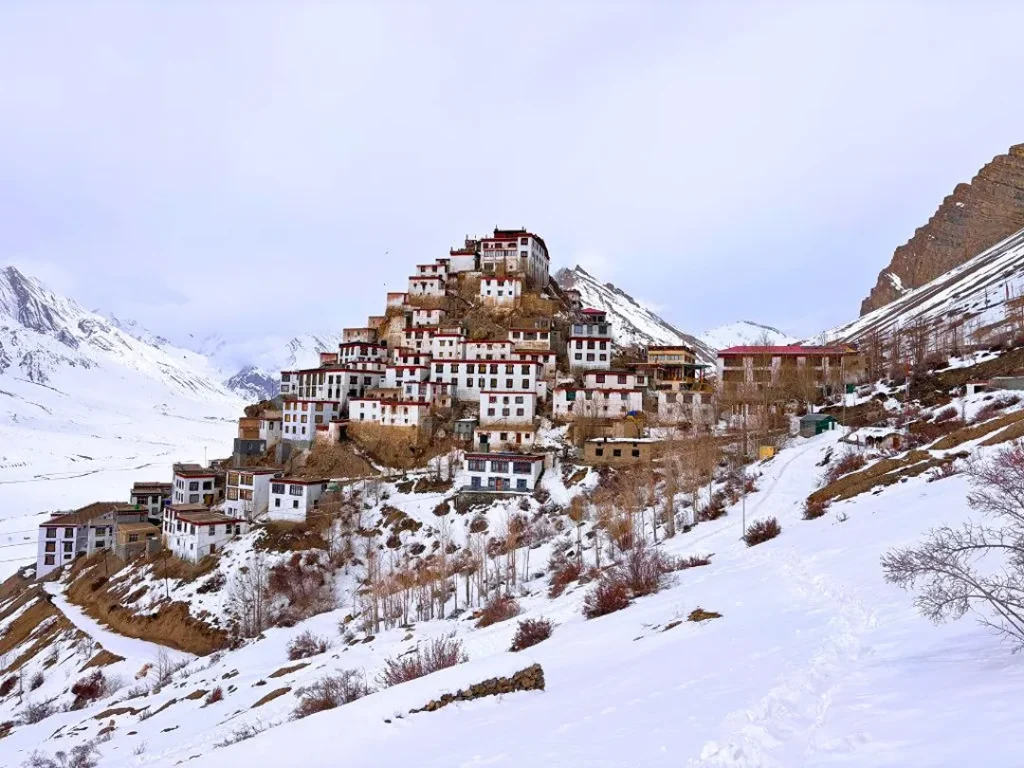
Visit nearby places such as Key Monastery, Kibber, Hikkim and Langza, depending on road conditions and local access.
Day 7: Kaza Buffer Day
Keep one extra day in Kaza during winter. You can use it for local sightseeing if roads are clear or simply enjoy the snowy landscape.
Day 8 onwards: Return Journey
Start the return journey through the same Shimla-Kinnaur side, allowing enough time for road delays.
This winter Spiti Valley itinerary from Delhi is more realistic than trying to squeeze every major attraction into a short trip.
What Does Spiti Valley Look Like in Snow?
Spiti Valley in snow looks completely different from the summer landscape. The brown mountains turn white, frozen streams appear along the roads, and villages look quieter than usual.
Kaza, Kibber, Langza, Hikkim and other high-altitude settlements can receive snowfall during the colder months. Snowfall varies by location and from winter to winter.
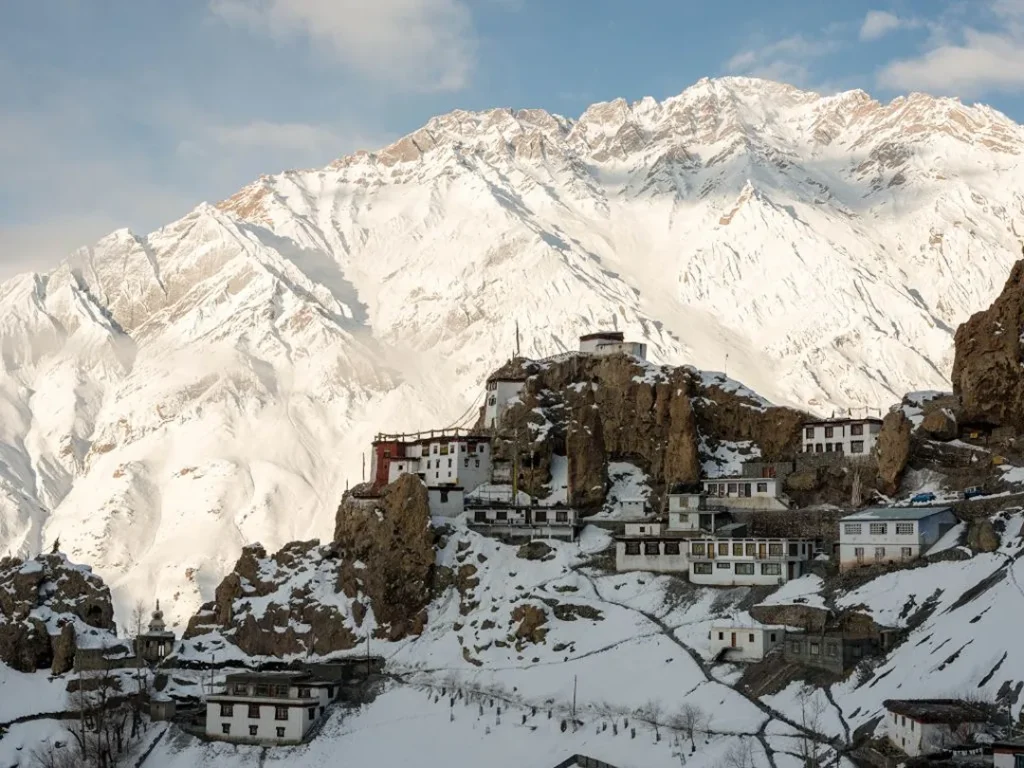
The beauty of Spiti Valley in snow comes with a trade-off. Many cafés, homestays and tourist services operate on a smaller scale during winter, so you should not expect the same convenience as during the peak travel season.
Places to See on a Winter Spiti Road Trip
A few places deserve special attention during your trip:
- Kaza: The main town and the practical base for exploring central Spiti.
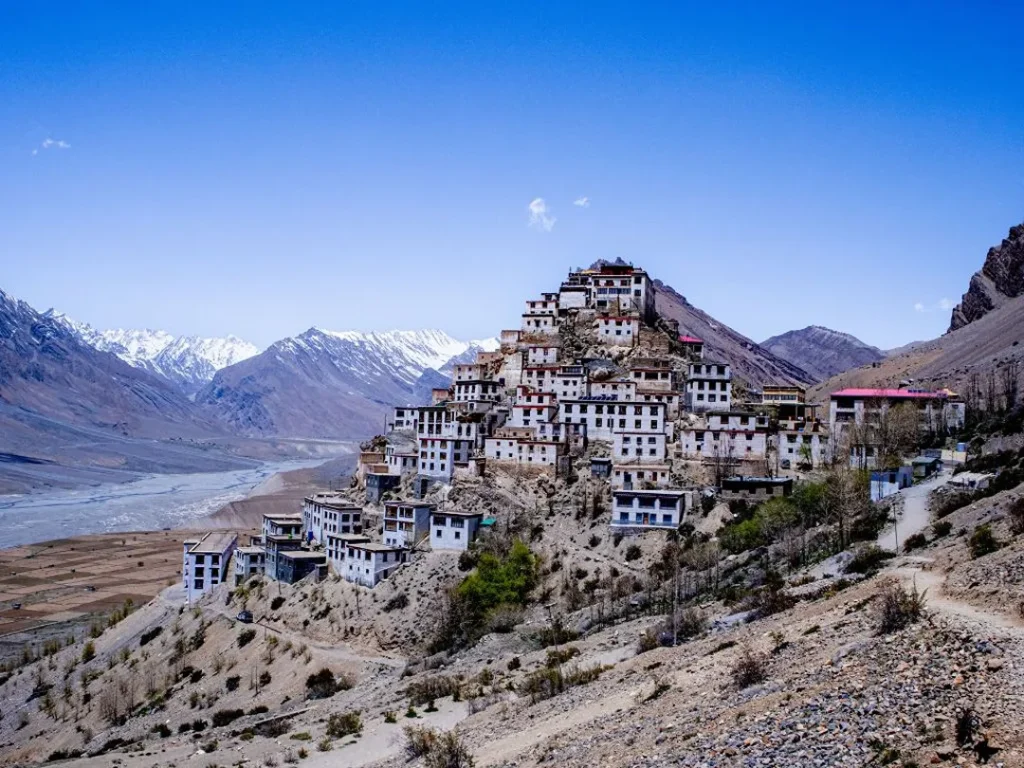
- Key Monastery: One of the most well-known monasteries in the valley, located close to Kaza.
- Kibber: A high-altitude village known for its stark mountain setting and wildlife sightings.
- Hikkim: Known for its high-altitude location and remote village atmosphere.
- Langza: A beautiful village surrounded by large mountains and open landscapes.
- Tabo: Home to the historic Tabo Monastery and an important stop on the Kinnaur-Spiti route.
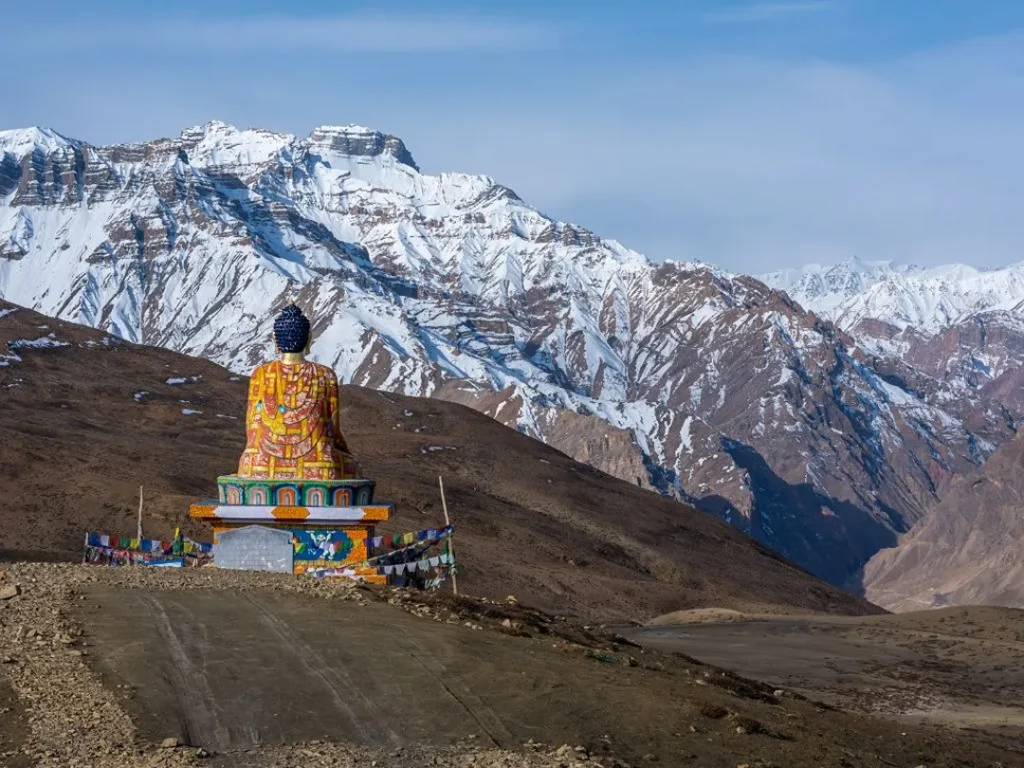
Himachal Tourism also highlights Spiti’s monasteries, remote villages and snow leopard habitat around Kibber and Pin Valley.
What to Pack for Winter Spiti
Winter packing needs more attention than a regular Himalayan road trip.
Carry:
- Heavy down jacket
- Thermal innerwear
- Woollen socks and gloves
- Waterproof shoes with good grip
- Warm cap and neck warmer
- Sunglasses and sunscreen
- Lip balm and moisturiser
- Personal medicines
- Power bank
- Flashlight
- Water bottle
- Basic snacks
- Government ID
- Cash for places with limited connectivity or card facilities
Do not rely completely on your phone for navigation. Network coverage can be limited in remote mountain areas.
Is a Winter Spiti Road Trip Safe?
A Spiti Valley winter road trip requires more preparation than a summer trip. The biggest risks are extreme cold, snowfall, slippery roads, road closures, and altitude.
Check the weather and road status before leaving each morning. Ask your hotel or local driver about the next section rather than relying only on an old travel blog or a map application.
If authorities or local officials have restricted a road, do not try to find an alternate way around the closure. The mountains are not the place to take unnecessary risks.
Most importantly, keep your schedule flexible. A winter Spiti trip is better when you have time to wait out bad weather instead of trying to meet a strict timetable.
Final Tips for a Winter Spiti Road Trip
Spiti Valley winter road tripi is not for travellers looking for an easy holiday. It is for people who are comfortable with cold weather, long drives, basic facilities, and changing plans.
Take the Shimla-Kinnaur side, keep extra days in hand, and check road conditions before every major drive. Avoid planning around the Manali-Kunzum route unless authorities confirm that it is open.
With the right preparation, winter can show you a quieter side of Spiti that is very different from the busy summer season.